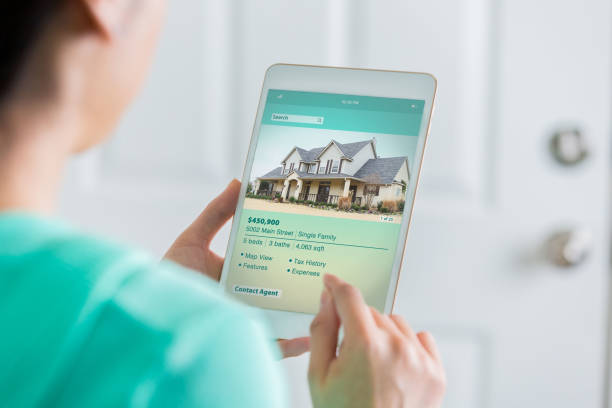
Sellers can use an estimated value to begin a conversation, but they should not treat it as a formal appraisal or automatic list price. The better approach is to compare the estimate with recent closed sales, active competition, and the home’s actual condition. That combination gives the seller a more useful range for planning while recognizing that no broad estimate can capture every property detail.
The median estimated property value for August 2026 was $599,320. The August median estimated value was 0.3% lower than the prior month. The August median estimated value was 0.3% higher than the comparable period a year earlier. The July median sold price was $585,000. The July median sold price increased 0.43% from the prior month. The estimated value is generated through a valuation model and is not a formal appraisal. The market figures include single-family homes and condo, townhouse, and apartment properties. The estimated value and sold price use different reporting periods. A market median is not a valuation of a specific home. The figures do not replace an evaluation of condition, improvements, features, or current competition.
The estimate can provide a useful conversation starter without deciding the listing price. The small reported changes show why sellers should avoid treating an estimate as a guaranteed direction. The difference between estimated and sold medians reflects different measures and periods. A property may reasonably differ from a broad market midpoint because of its individual attributes. The strongest pricing decision connects the estimate to comparable transactions and current alternatives. Sellers should distinguish planning information from an appraisal or professional valuation opinion. Confidence comes from understanding the reasoning behind the price, not from selecting the highest available figure.
Use the estimate as one reference point in a broader pricing review. Gather comparable closed sales that resemble the home’s type, condition, and improvements. Review active listings that a buyer would likely consider alongside the property. Document upgrades, maintenance, and features that may affect comparison quality. Ask which assumptions need closer review before relying on the estimate. Set a pricing range that reflects both market evidence and the seller’s goals. Revisit the strategy if new comparable activity changes the competitive picture.